Wowbox – Preventing a costly pivot
Role
Research lead, product design lead and individual contributor.
Impact
Prevented $100k+ in unvalidated spending and six months of misdirected development. Research proved users had no demand for chat or messaging. It also proved a key competitor had built their strategy around features nobody wanted.
Problem
Stakeholders wanted to replicate a competitor's chat and messaging features without validating demand. Building them would require expensive licensing and tear up the existing roadmap for six months.
Approach
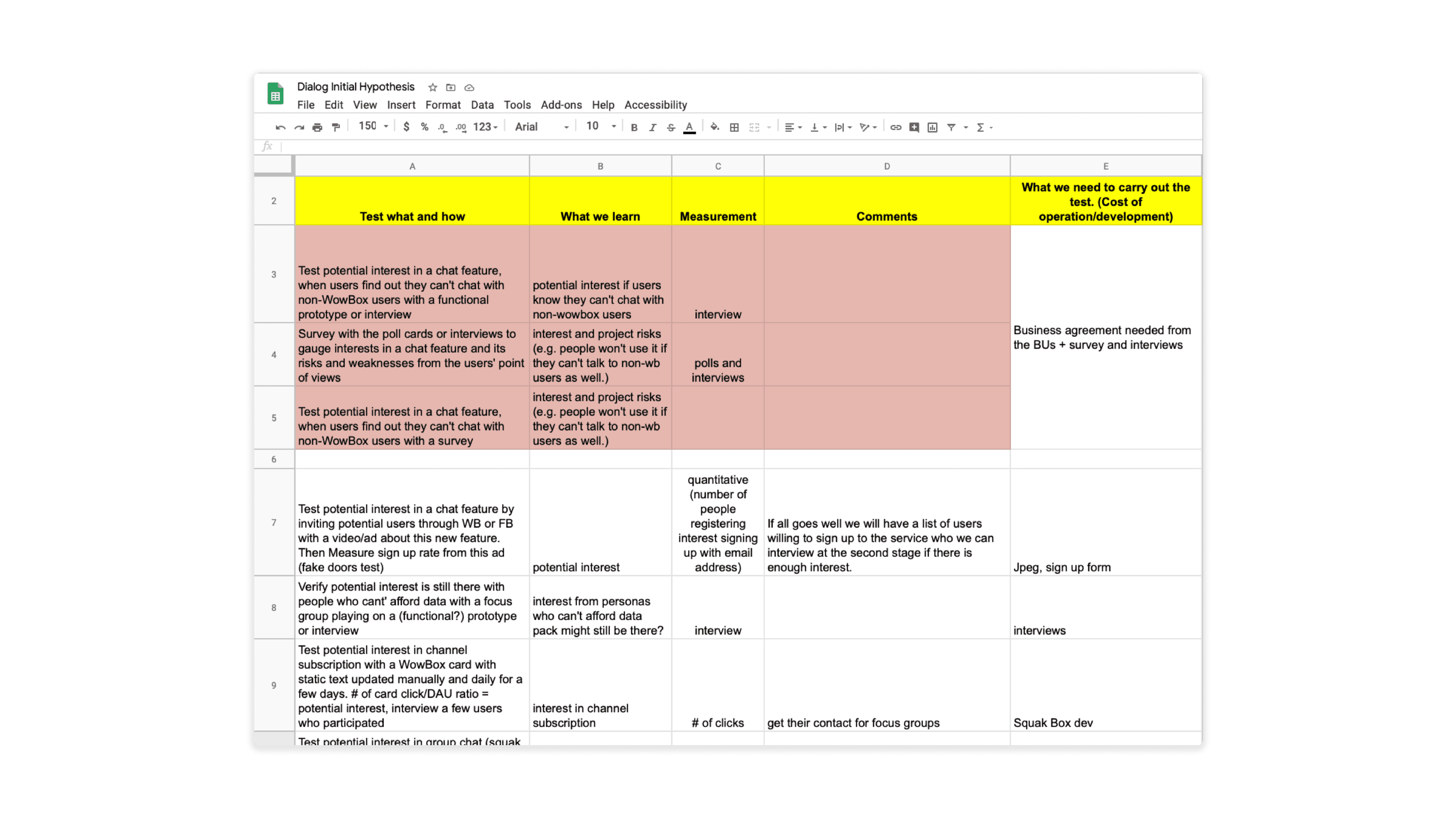
Built prototypes to highlight usability risks, ran research to test demand directly on the ground in Bangladesh. The goal was to provide stakeholders evidence before committing budget.
Client
Telenor Digital
Process
Uncovering the risks
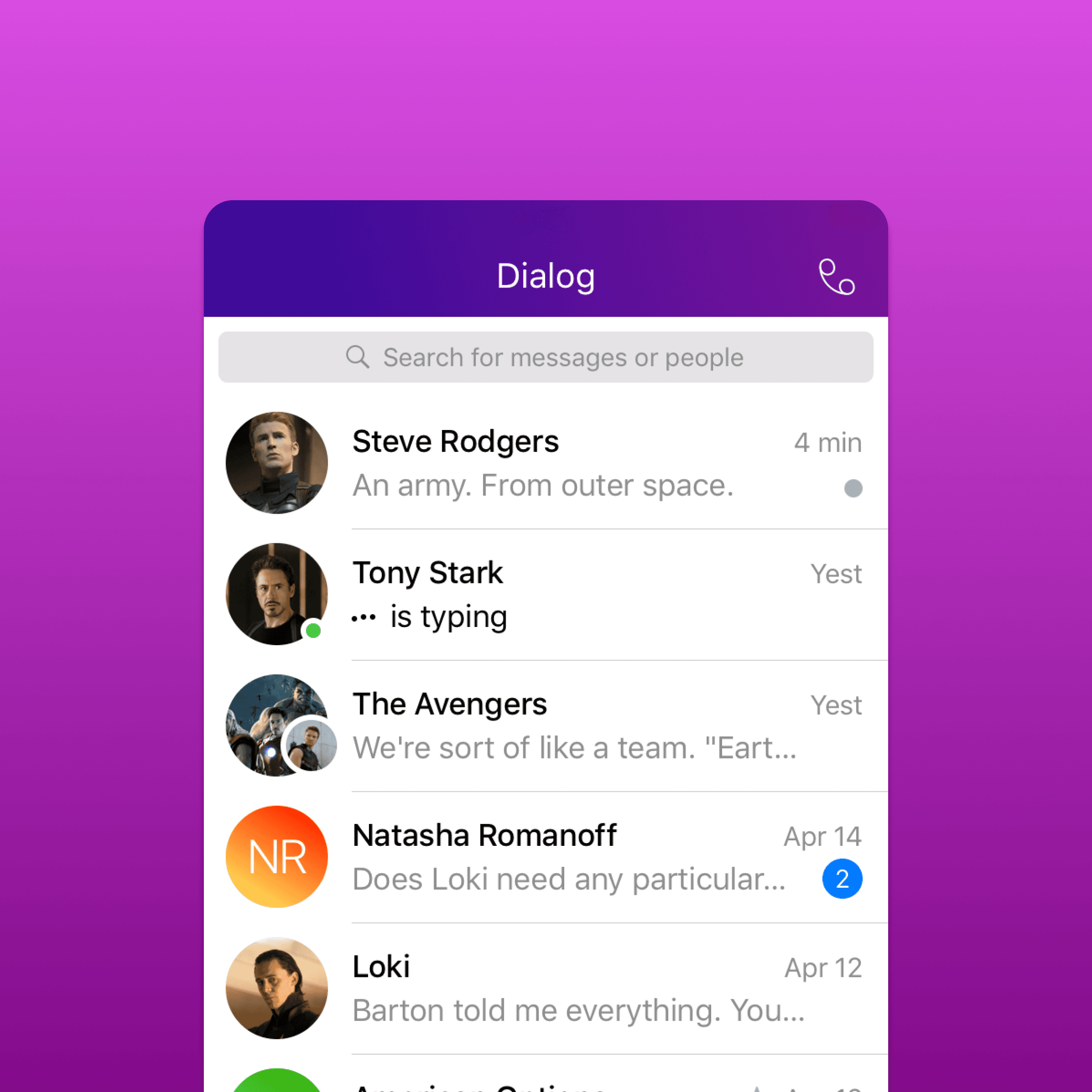
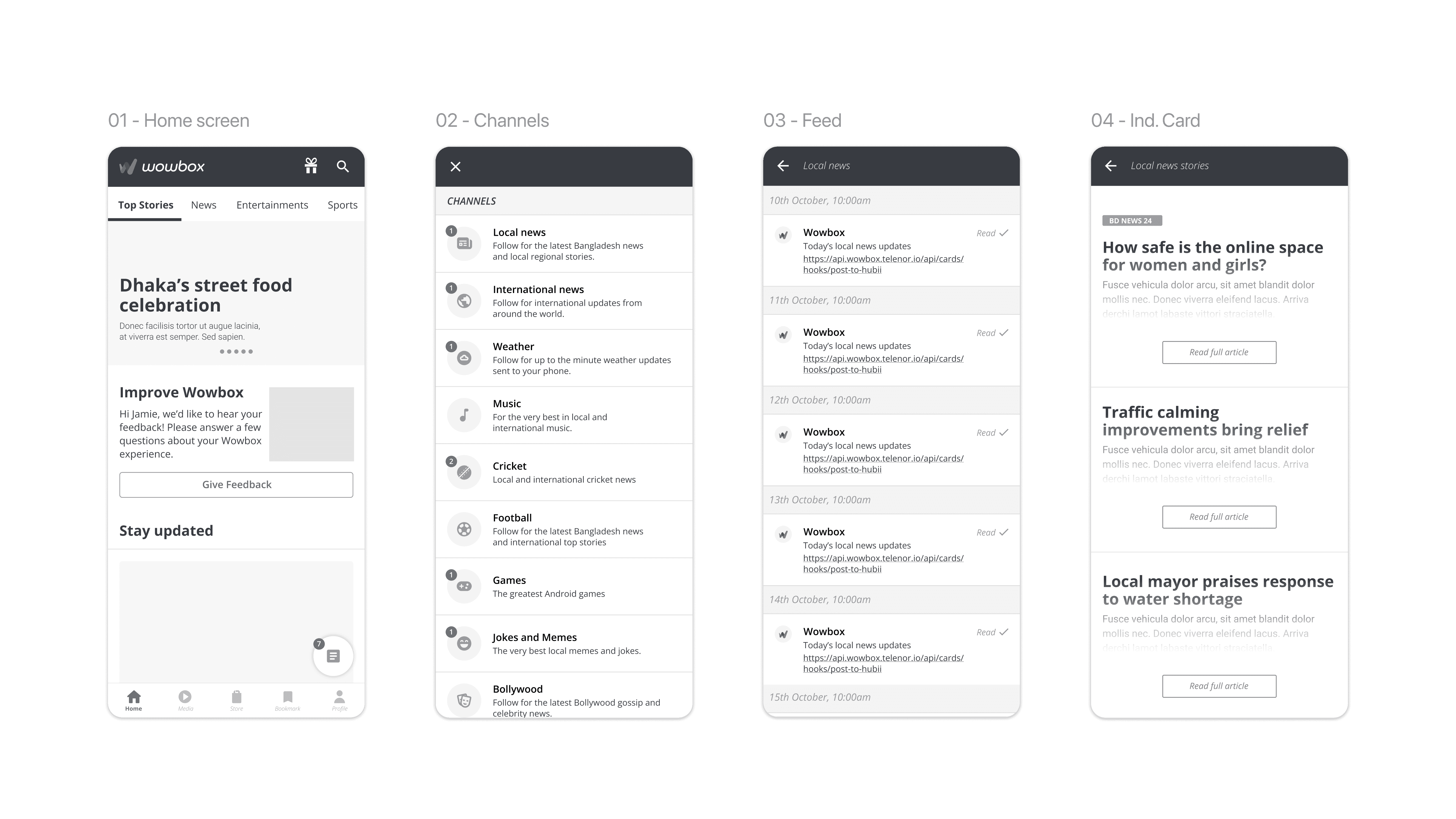
As Research Lead, I had to balance stakeholder expectations with product reality. The proposed solution had significant limitations: notifications lacked relevance, navigation was confusing, and messaging would only work between users on the same app version — excluding 75% of the existing user base.
I documented these concerns and presented potential risks to stakeholders across Dhaka, Oslo, Trondheim, Yangon, Islamabad, and Bangkok. To facilitate alignment, I developed wireframes and clickable prototypes that highlighted usability issues. This approach helped secure authorisation for on-the-ground research in Bangladesh.
Research approach
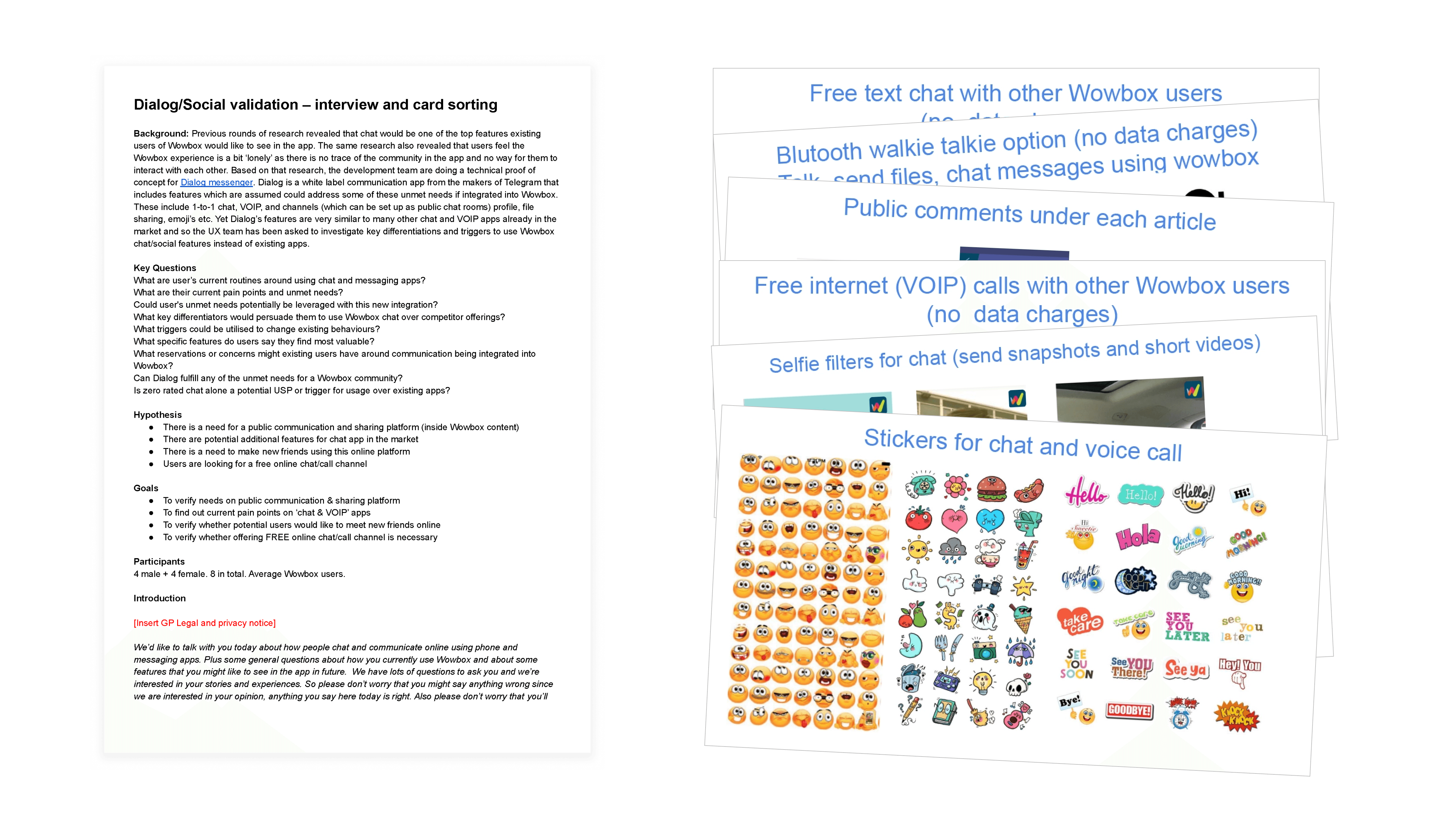
I planned the research, interview guide, and card sorting exercises, aligning stakeholders across regions. Research was conducted by Telenor's UX and Product teams in Dhaka.
User interviews: 1:1 interviews probing for unmet needs around chat, social, and messaging
Card sorting: Users ranked social features in order of preference
Prototype testing: Task-based testing of the proposed solution with existing Wowbox users
Key findings
Users didn't see the need for Wowbox chat and voice features — even if free. They already had an abundance of apps for that use case. The proposed Wowbox-to-Wowbox messaging was too limiting. However, the research revealed what users actually wanted: article comments and social features as a way to interact with other users.
The findings also revealed that our competitor had launched without validating demand — their application faced the same risks and limitations.
Outcome
Validating demand before building saved over $100k in licensing fees — and avoided the opportunity cost of derailing the roadmap for six months. More importantly, it shifted how stakeholders viewed the team: from order-takers to strategic contributors who understood users and could influence product direction.
Key results
$100k+ in potential savings realised
Roadmap protected from six-month derailment
Discovered user demand for social features, informing future direction
Increased stakeholder trust in UX and cross-functional teams
Research executed within a 1.5 sprint timeline
"Jamie leads by example across the design team and the wider organisation. He's also played a crucial role in enhancing how cross-functional teams collaborate, significantly impacting our project outcomes." — Peder Søholt, Product Manager, Telenor Digital